India imports a wide range of products from China, including electronics, machinery, chemicals, pharmaceuticals, solar equipment, telecom components, toys, electrical goods, industrial machinery, and raw materials. These imports have supported India’s industrial growth by providing affordable inputs, but they have also created strategic and economic dependencies. Building stronger domestic manufacturing capabilities can reduce these vulnerabilities while creating employment, strengthening industrial resilience, and increasing India’s competitiveness.
Reducing dependence on imports does not mean eliminating trade with China. China will continue to remain an important global manufacturing hub and a major trading partner. The objective should be to reduce excessive reliance on a single country for critical goods while expanding India’s own industrial capacity and diversifying import sources.
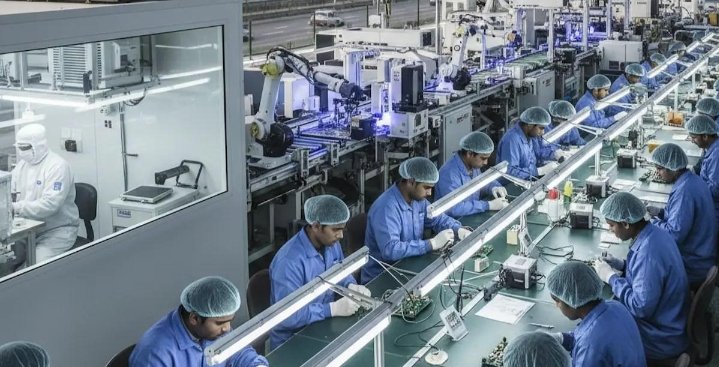
Electronics represent one of the largest opportunities. India imports large quantities of semiconductors, printed circuit boards, displays, sensors, batteries, and electronic components. While smartphone assembly has expanded rapidly in India, many key components still originate abroad. Encouraging domestic production of these components would significantly increase value addition within the country and strengthen India’s electronics ecosystem.
Semiconductor manufacturing deserves special attention. Chips are now essential for automobiles, medical equipment, defence systems, industrial machinery, telecommunications, and consumer electronics. Developing semiconductor fabrication plants requires substantial investment, skilled talent, reliable electricity, water infrastructure, and advanced research capabilities. Although establishing this ecosystem will take years, sustained investment can gradually reduce dependence on imports.
Pharmaceutical manufacturing presents another opportunity. India is known globally as a major producer of generic medicines, yet many active pharmaceutical ingredients are imported. Expanding domestic production of these critical ingredients would strengthen healthcare security while improving supply chain resilience during international disruptions.
The renewable energy sector also illustrates the importance of domestic manufacturing. India has ambitious targets for solar and wind energy, but many solar modules, cells, and associated equipment continue to be imported. Supporting local manufacturers through technology development, investment incentives, and research partnerships can build a competitive renewable energy industry capable of serving both domestic and international markets.
Industrial machinery is another area requiring attention. Many factories rely on imported machine tools, automation systems, robotics, and precision equipment. Developing domestic capabilities in capital goods manufacturing would strengthen every sector of the economy because advanced machinery enables competitive production across industries.
Small and medium enterprises have an important role in this transformation. Large manufacturers depend on networks of suppliers that produce thousands of specialized components. Strengthening MSMEs through technology adoption, financing, quality certification, digital manufacturing, and export support can create complete domestic supply chains capable of serving major industries.
Research and innovation will determine long-term success. Manufacturing competitiveness increasingly depends on advanced materials, automation, artificial intelligence, robotics, additive manufacturing, biotechnology, and digital engineering. Universities, research institutions, startups, and industries should collaborate more closely to develop technologies that reduce dependence on imported intellectual property.
Skill development remains essential. Advanced manufacturing requires technicians, engineers, designers, programmers, quality inspectors, and maintenance specialists. Vocational education should evolve alongside industrial needs, ensuring graduates possess practical skills required by modern factories.
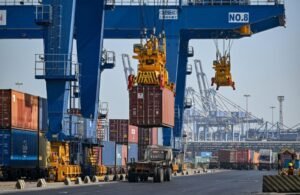
Reliable infrastructure supports manufacturing competitiveness. Stable electricity, efficient transport, industrial water supply, logistics parks, digital connectivity, and high-quality industrial estates reduce production costs and improve productivity. Investments in freight corridors, ports, highways, and multimodal logistics systems directly contribute to industrial growth.
Government procurement policies can encourage domestic manufacturing without compromising quality. Where Indian products meet required standards and remain competitively priced, public procurement can provide stable demand that allows manufacturers to scale production and invest in improved technology.
Quality cannot be compromised in the pursuit of self-reliance. Products manufactured in India must compete internationally on performance, durability, safety, and price. Strong quality control systems, certification laboratories, and internationally recognized standards help Indian manufacturers gain credibility in both domestic and foreign markets.
Foreign direct investment also plays an important role. Global companies bring advanced manufacturing techniques, technology transfer, management expertise, and access to international supply chains. India should continue attracting responsible investments while encouraging increasing levels of local sourcing and domestic value addition.
Industrial clusters create efficiencies through specialization. Concentrating related industries within specific regions allows businesses to share suppliers, skilled workers, logistics infrastructure, and research facilities. Electronics, automobiles, pharmaceuticals, textiles, aerospace, and defence manufacturing can all benefit from cluster-based development.
Artificial intelligence and Industry 4.0 technologies are transforming manufacturing worldwide. Predictive maintenance, automated inspection, digital twins, industrial robotics, and smart factories improve productivity while reducing operational costs. Indian manufacturers should adopt these technologies early to remain globally competitive.
Raw material security also deserves attention. Manufacturing depends on access to critical minerals, specialty chemicals, rare earth elements, and industrial metals. India should develop domestic resources where feasible while establishing diversified international supply partnerships for materials that cannot be produced locally.
Financial support enables industrial expansion. Affordable long-term financing, technology modernization funds, export incentives, venture capital for manufacturing startups, and support for research commercialization encourage businesses to invest in productive capacity rather than relying solely on imported products.
Environmental sustainability should remain integral to industrial development. Energy-efficient factories, renewable power, waste recycling, water conservation, and cleaner production technologies reduce long-term costs while helping Indian products meet increasingly strict international environmental standards.
Digital commerce creates new opportunities for domestic manufacturers. Online marketplaces allow smaller producers to reach customers directly while reducing dependence on traditional distribution networks. Digital marketing, logistics integration, and international e-commerce platforms enable Indian businesses to compete globally.
Consumer awareness also influences manufacturing success. When high-quality domestic products are available at competitive prices, informed purchasing decisions can support local industries. However, domestic manufacturers must earn consumer trust through consistent quality rather than relying solely on patriotic appeals.
Strategic sectors such as telecommunications, defence equipment, medical devices, cybersecurity, aerospace, and critical infrastructure require particular attention because supply disruptions in these areas may have national security implications. Developing domestic capabilities in these industries strengthens economic resilience while supporting technological advancement.
Reducing dependence on Chinese imports is not about economic isolation. Instead, it is about creating balanced, diversified, and resilient supply chains capable of withstanding geopolitical uncertainties and global disruptions. India can continue engaging in international trade while simultaneously expanding its own industrial base.
A stronger manufacturing sector creates employment, stimulates innovation, strengthens exports, improves trade balances, and increases national resilience. With sustained investment, policy consistency, technological advancement, and skilled human resources, India can gradually transform itself from a major importer of industrial goods into one of the world’s leading manufacturing economies.