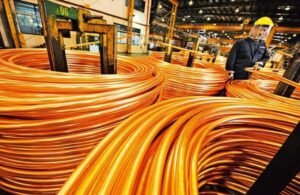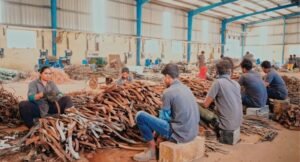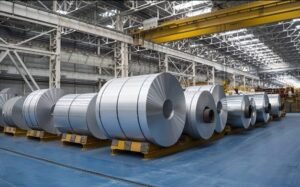
India is one of the world’s leading producers of industrial metals, including steel, aluminium, copper, zinc, lead, nickel, stainless steel, ferroalloys, and specialty alloys. These materials are essential for construction, automotive manufacturing, renewable energy, aerospace, defence, railways, electronics, shipbuilding, and heavy engineering. Despite this strong manufacturing base, trading industrial metals often involves fragmented supply chains, multiple intermediaries, inconsistent pricing, and lengthy procurement processes. A National Digital Marketplace for Industrial Metals can modernize India’s trading ecosystem by connecting producers, buyers, logistics providers, financial institutions, and government agencies through a single digital platform.
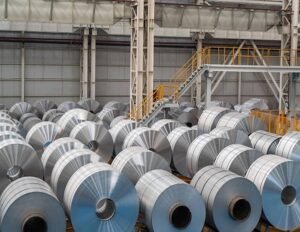
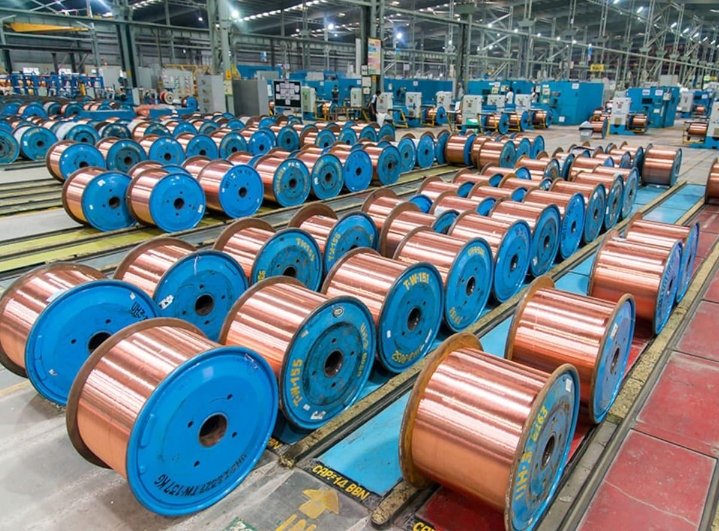
The marketplace would serve as a unified online trading ecosystem where manufacturers, distributors, recyclers, exporters, importers, fabricators, engineering firms, and industrial buyers can conduct business efficiently. Products such as steel coils, aluminium billets, copper cathodes, zinc ingots, stainless steel sheets, nickel alloys, titanium products, and industrial castings would be listed with standardized technical specifications.
Artificial intelligence would power intelligent product discovery. Buyers searching for a particular alloy or grade would receive recommendations based on quality requirements, delivery timelines, certifications, supplier reputation, and competitive pricing. Manufacturers would simultaneously receive AI-generated recommendations for potential customers based on production capacity and historical demand.
The platform would continuously monitor commodity exchanges, energy prices, freight costs, currency movements, and international market conditions to generate real-time pricing intelligence. Instead of relying solely on manual quotations, both buyers and sellers would have access to transparent market data, enabling more efficient negotiations.
Quality assurance would become more reliable through digital certification. Every product listing would include laboratory reports, chemical composition, mechanical properties, manufacturing standards, environmental certifications, and inspection records. Buyers could compare products using verified technical information before placing orders.
Blockchain technology would strengthen trust across the marketplace. Every transaction, ownership transfer, quality certificate, and delivery milestone would be securely recorded on a tamper-resistant digital ledger. This reduces commercial disputes while improving confidence among domestic and international buyers.
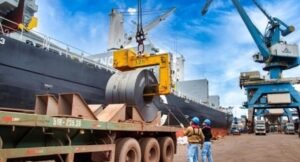
Logistics integration is another key feature. Once an order is confirmed, the marketplace connects manufacturers with transport companies, warehouses, railway operators, shipping lines, and port authorities. Artificial intelligence recommends the most cost-effective and efficient transportation routes based on shipment size, destination, and delivery deadlines.
The platform also simplifies export operations. Exporters receive integrated access to customs documentation, shipping schedules, freight forwarding services, insurance providers, and export financing institutions. Digital workflows reduce paperwork while accelerating international trade.
Small and medium-sized manufacturers gain equal visibility alongside larger corporations. Many specialized producers manufacture high-quality metal products but lack access to national and international customers. The digital marketplace expands their reach, enabling them to compete in broader markets without significant marketing investments.
Banks and financial institutions can offer integrated trade finance directly through the platform. Buyers may apply for working capital, invoice financing, letters of credit, and export loans using verified transaction information. Automated verification reduces processing time and lowers financial risk.
Insurance companies also benefit by providing cargo insurance, warehouse coverage, transit protection, and export credit insurance through digital workflows supported by verified commercial data.
Government agencies responsible for mining, manufacturing, exports, and industrial development gain access to anonymized market intelligence. Aggregated trading data reveals production trends, regional demand, supply chain bottlenecks, and export opportunities, supporting evidence-based policymaking.
Artificial intelligence further improves market efficiency by forecasting future demand across industries such as electric vehicles, renewable energy, construction, defence, aerospace, and infrastructure. Manufacturers can adjust production schedules based on anticipated market conditions rather than reacting after demand changes.
Cloud computing provides the scalable infrastructure required to support thousands of simultaneous users, transactions, and product listings across India. Secure cloud architecture ensures uninterrupted access while enabling future expansion.
Cybersecurity remains fundamental because commercial contracts, pricing information, and customer records are valuable business assets. Multi-factor authentication, encrypted communications, secure payment systems, and continuous monitoring protect the marketplace from cyber threats.
Technology companies can develop AI recommendation engines, blockchain applications, cloud infrastructure, logistics software, digital payment systems, and industrial analytics tailored specifically for India’s metals sector. Universities and research institutions can contribute by improving commodity forecasting models, supply chain optimization algorithms, and digital trade technologies.
As India continues to expand its manufacturing capabilities and strengthen its global export position, efficient digital trading infrastructure will become increasingly important. A National Digital Marketplace for Industrial Metals represents a strategic Industry 4.0 investment that integrates artificial intelligence, blockchain, cloud computing, digital finance, and smart logistics into one platform. By simplifying procurement, improving transparency, and expanding market access, India can strengthen its industrial competitiveness while accelerating growth across the entire metals sector.