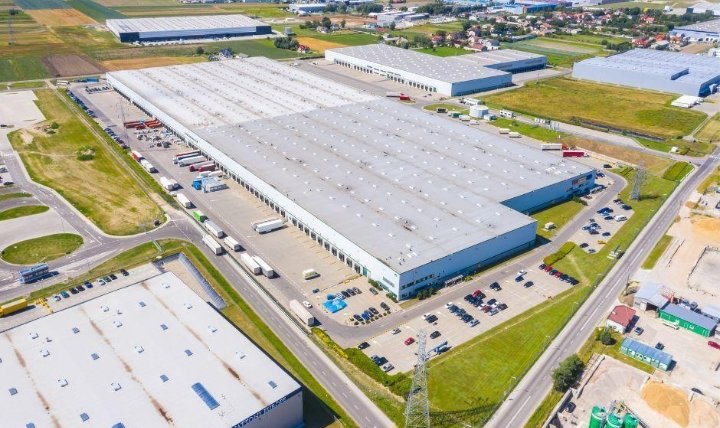
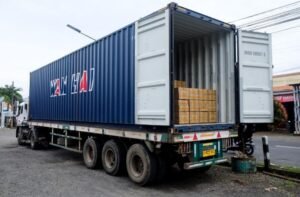
India has developed several industrial parks, export processing zones and special economic zones that have helped large manufacturers expand into global markets. However, these facilities are generally designed for medium and large industries. Cottage industries, despite employing millions of people and producing products with significant export potential, rarely benefit from such infrastructure. Their small scale, fragmented production and limited financial resources prevent them from taking full advantage of modern trade systems.
A new trade governance model could address this imbalance through the creation of Cottage Industry Free Trade Zones. These specialized trade zones would be designed exclusively for rural manufacturers, artisans and micro enterprises. Instead of competing with large exporters for infrastructure and government support, cottage industries would receive dedicated facilities tailored to their unique operational needs.
Each Free Trade Zone would function as an integrated export ecosystem. Entrepreneurs would gain access to customs offices, packaging facilities, testing laboratories, export documentation centers, warehousing, logistics providers, banking services and product certification agencies within a single location. This eliminates the need to travel between multiple government departments and private service providers.
The location of these zones should reflect India’s major cottage industry clusters. Textile producing regions, bamboo manufacturing districts, pottery centers, spice growing areas and handicraft hubs could each have dedicated Free Trade Zones serving nearby producers. This ensures that infrastructure remains closely connected to actual manufacturing activity.
One of the greatest advantages would be reduced export costs. Individual entrepreneurs often spend a considerable portion of their profits on transportation, customs agents and export documentation. By concentrating these services within one location, governments can significantly lower operational expenses while improving efficiency.
Customs procedures could become much faster inside these specialized zones. Officers trained specifically in cottage industry exports would understand the characteristics of handmade products, agricultural goods and traditional crafts. Faster inspections and simplified documentation would reduce shipment delays while encouraging more businesses to enter export markets.
The zones could also provide professional packaging services that comply with international standards. Many export consignments face rejection because of poor packaging or incorrect labeling. Shared facilities equipped with modern packaging machinery and multilingual labeling systems would improve product presentation while reducing losses during transportation.
Digital technology should be fully integrated into the governance model. Every shipment could be tracked electronically from the producer to the international buyer. Export documentation, customs declarations, inventory management and logistics coordination would operate through a unified digital platform accessible to entrepreneurs through mobile applications.
Testing laboratories within the Free Trade Zones would strengthen international competitiveness. Food products, natural cosmetics, herbal goods and other regulated items often require quality certification before entering foreign markets. Local testing facilities would reduce costs and eliminate the need to send samples to distant cities.
Financial institutions should establish dedicated export banking centers within the zones. Entrepreneurs could access export credit, foreign exchange services, invoice financing and payment guarantees without leaving the facility. Faster financial services improve cash flow while supporting business expansion.
Innovation can become another important feature. Design studios, product development laboratories and technology demonstration centers could help entrepreneurs adapt traditional products for international markets. Small improvements in design, packaging or functionality often create significant commercial advantages overseas.
The governance framework should encourage collaboration rather than competition among producers. Businesses operating within the same Free Trade Zone could share transportation, participate in joint marketing campaigns and combine production for large international orders. Collective action increases bargaining power while reducing operational costs.
Universities and technical institutions could establish satellite innovation centers inside these zones. Students and researchers would work directly with entrepreneurs on product improvement, sustainable materials, digital manufacturing and quality enhancement. Such partnerships strengthen the connection between academic research and rural industry.
Environmental sustainability should become a defining feature of Cottage Industry Free Trade Zones. Solar energy systems, rainwater harvesting, waste recycling and environmentally friendly packaging could reduce operational costs while improving India’s reputation in international markets that increasingly value sustainable production.
The zones could also serve as permanent exhibition centers where international buyers inspect products throughout the year instead of waiting for annual trade fairs. Digital showrooms combined with physical product displays would create continuous opportunities for business development.
Performance measurement is essential for effective governance. Governments should monitor export growth, entrepreneur participation, employment generation, logistics efficiency, customs clearance times and buyer satisfaction. Transparent reporting allows successful practices to be replicated in future zones.
Implementation should begin in states with strong cottage industry traditions such as Kerala, Tamil Nadu, Rajasthan, Gujarat, Uttar Pradesh, Odisha and Assam. Pilot projects would demonstrate the economic benefits before nationwide expansion.
The long term vision extends beyond exports alone. Cottage Industry Free Trade Zones could become centers of entrepreneurship, innovation and rural industrial development. Young entrepreneurs would view cottage industries as modern, globally connected businesses rather than traditional occupations with limited growth potential.
India’s rural manufacturing sector possesses exceptional creativity and cultural value, but it requires trade infrastructure comparable to that available for larger industries. Cottage Industry Free Trade Zones provide a governance framework that levels the playing field by offering world class export facilities specifically designed for micro enterprises.
By integrating customs, logistics, finance, quality assurance and technology within dedicated trade zones, India can unlock the global potential of its cottage industries. Such a strategy would strengthen exports, increase rural employment, improve incomes and establish India’s villages as important contributors to international trade in the twenty first century.