
India’s cottage industries depend heavily on a steady supply of raw materials. Handloom weavers need cotton and silk. Bamboo artisans require quality bamboo. Pottery makers depend on suitable clay. Soap manufacturers need natural oils. Honey producers rely on beekeeping equipment and packaging materials. Food processors require spices, grains and agricultural produce. Yet one of the biggest challenges facing these industries is the unpredictable availability and price of raw materials.
Small entrepreneurs often purchase materials in limited quantities because they lack the financial capacity for bulk buying. This exposes them to fluctuating market prices, supply shortages and dependence on local traders. As a result, production costs become unstable, profits decline and businesses struggle to plan for future growth.
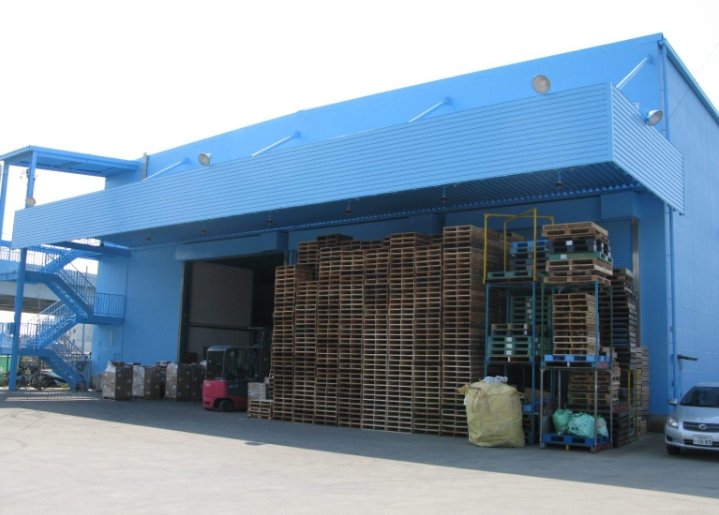
A governance solution to this challenge is the creation of Raw Material Banks for cottage industries. These institutions would purchase raw materials in bulk directly from producers or large suppliers and store them in district or panchayat level warehouses. Registered cottage industries could then purchase materials throughout the year at transparent and relatively stable prices.
The concept is similar to public grain storage systems that stabilize food supplies. Instead of focusing on consumer goods, Raw Material Banks would stabilize industrial production by ensuring that manufacturers always have access to essential inputs.
Governments would begin by identifying the major cottage industries within each district. A district specializing in bamboo products would maintain bamboo inventories. Textile clusters would stock cotton, silk, wool and natural dyes. Food processing regions would store spices, grains, edible oils and packaging materials. Every Raw Material Bank would therefore reflect the industrial profile of its surrounding communities.
Bulk purchasing provides significant economic advantages. Large volume procurement reduces transportation costs, strengthens bargaining power with suppliers and minimizes the influence of middlemen. These savings can be passed directly to rural entrepreneurs, making local manufacturing more competitive.
Stable pricing is another important benefit. Raw material costs often rise sharply due to seasonal shortages, weather events or market speculation. Small businesses usually absorb these increases because they cannot negotiate better prices. Raw Material Banks would purchase supplies during periods of abundance and release inventory gradually, reducing sudden price fluctuations.
The governance model also strengthens domestic supply chains. Governments could prioritize procurement from local farmers, forest cooperatives and producer organizations whenever possible. This creates stronger economic links between agriculture and rural manufacturing while ensuring that value remains within local economies.
Digital inventory management would play a central role. Every warehouse could operate through an online platform showing available stock, prices and expected delivery schedules. Entrepreneurs would place orders using mobile applications and collect materials from nearby distribution centers. Transparent inventory information would reduce uncertainty and improve production planning.
Quality control becomes much easier under this system. Poor quality raw materials often lead to defective finished products and financial losses. Raw Material Banks could establish standardized inspection procedures before accepting deliveries from suppliers. Entrepreneurs would therefore receive consistent quality without conducting their own expensive testing.
The banks could also encourage environmentally responsible sourcing. Forest products such as bamboo, cane and medicinal plants could be procured only from certified sustainable sources. Natural fibers and agricultural products could prioritize environmentally responsible farming practices. Governance would therefore support both economic growth and environmental conservation.
Financial flexibility represents another opportunity. Governments could introduce deferred payment options for registered entrepreneurs with good repayment histories. Businesses would obtain raw materials immediately while paying after product sales. Such arrangements improve cash flow and reduce dependence on high interest borrowing.
Disaster resilience would also improve. Floods, droughts, transport disruptions and other emergencies frequently interrupt supply chains. Strategic inventories maintained by Raw Material Banks would allow production to continue during temporary disruptions. Rural economies would therefore recover more quickly following natural disasters.
Research institutions and agricultural universities could collaborate with these banks by identifying improved raw material varieties suitable for cottage industries. Better bamboo species, stronger natural fibers, improved clay mixtures and higher quality agricultural products would gradually increase productivity across multiple sectors.
Women led enterprises stand to benefit significantly. Many home based businesses purchase small quantities of materials at relatively high prices. Affordable bulk procurement through Raw Material Banks would lower production costs while improving profit margins for thousands of women entrepreneurs.
Transparency should remain a guiding principle. Procurement prices, inventory levels, supplier contracts and distribution records should be publicly available through digital dashboards. Such openness reduces opportunities for corruption while increasing confidence among entrepreneurs.
Local governance institutions would oversee operations through management committees involving panchayat representatives, producer organizations, technical experts and financial professionals. Community participation ensures that the banks respond effectively to changing industrial needs rather than operating through centralized administrative decisions alone.
Implementation should begin with selected districts where cottage industries contribute significantly to employment. Pilot projects could evaluate inventory turnover, price stability, entrepreneur participation and business growth before expanding nationwide. Lessons from these districts would guide future improvements.
Long term development could transform Raw Material Banks into comprehensive industrial resource centers. Along with raw materials, they could distribute packaging supplies, safety equipment, eco friendly chemicals and standardized production inputs. Entrepreneurs would gain access to an integrated supply ecosystem supporting every stage of manufacturing.
India’s cottage industries possess remarkable production skills but remain vulnerable to unstable raw material markets. A Raw Material Bank governance framework addresses one of the sector’s most persistent structural weaknesses by creating predictable, affordable and transparent access to industrial inputs.
Such an initiative strengthens rural manufacturing without replacing traditional business models. By reducing costs, stabilizing production and improving supply chain efficiency, Raw Material Banks can increase competitiveness, encourage entrepreneurship and build a stronger foundation for sustainable economic development across India’s villages and small towns.