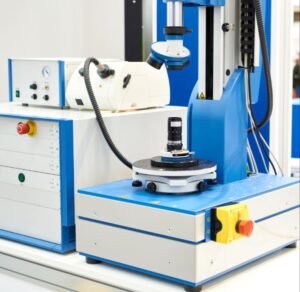
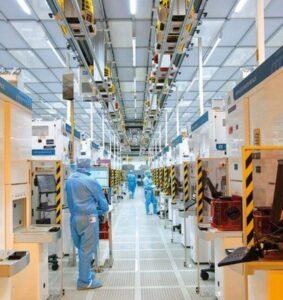
Scientific instruments are among the highest value manufactured products in international trade. Laboratories, universities, pharmaceutical companies, semiconductor manufacturers, hospitals, research institutes, environmental agencies, and industrial plants all depend on precision instruments for testing, measurement, and quality control. India has steadily expanded its capabilities in manufacturing laboratory equipment and analytical instruments, but competing globally requires more than engineering excellence. The next opportunity lies in creating a smart digital trade network that automates exports while providing international buyers with continuous visibility and technical support.
A smart digital trade network would connect manufacturers, calibration laboratories, certification agencies, logistics providers, customs authorities, ports, airlines, distributors, research institutions, financial organizations, and overseas buyers through one integrated digital platform. Every stage of the export process would become connected, transparent, and largely automated.
The foundation of this system would be a digital product passport. Every scientific instrument would receive a secure digital identity before leaving the factory. This passport would contain manufacturing records, component specifications, calibration certificates, quality inspection reports, warranty details, export documentation, and software versions. Buyers anywhere in the world could instantly verify product authenticity and technical compliance.
Artificial intelligence would strengthen export planning by continuously analyzing global investment in healthcare, biotechnology, pharmaceutical manufacturing, semiconductor fabrication, universities, and industrial research. AI could identify emerging markets, recommend pricing strategies, forecast regional demand, and help manufacturers focus on the fastest growing export opportunities.
Automation would simplify regulatory compliance. Scientific instruments often require multiple technical certifications before entering international markets. Instead of manually preparing documentation for every shipment, laboratories and certification agencies could upload verified digital certificates directly into the export platform. Customs authorities and overseas buyers would automatically access authenticated records.
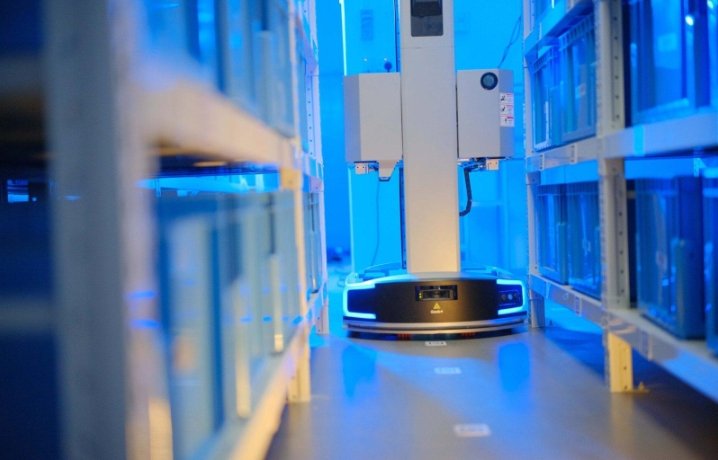
The logistics network would also become intelligent. GPS enabled shipments, environmental sensors, and automated warehouse systems would continuously monitor equipment location, vibration, humidity, temperature, and handling conditions during transportation. Delicate scientific instruments require careful handling, and continuous monitoring reduces the risk of transit damage.
Digital twins would extend customer support beyond product delivery. Every exported instrument could maintain a virtual operational profile that records maintenance history, calibration schedules, software updates, and service events. Manufacturers would provide predictive maintenance recommendations instead of waiting for equipment failures.
Remote diagnostics would become another major competitive advantage. Connected instruments could securely transmit performance information to manufacturers, allowing engineers to identify technical issues before customers experience operational failures. Many software related problems could be solved remotely, reducing service costs while improving customer satisfaction.
Trade finance also becomes faster through automation. Banks could verify export documentation, shipping milestones, insurance records, and customer acceptance electronically. Faster processing of export credit, working capital, and foreign exchange transactions strengthens cash flow while reducing administrative burdens.
The digital platform should also function as a global marketplace where verified Indian manufacturers showcase products, certifications, production capabilities, demonstration videos, and technical documentation. International buyers could compare products, request quotations, schedule demonstrations, and communicate directly with manufacturers through secure digital channels.
Cybersecurity becomes especially important because scientific instruments often support sensitive research, pharmaceutical development, and industrial innovation. Secure digital identities, encrypted communications, software authentication, and resilient cloud infrastructure protect manufacturers and customers while maintaining trust in digital trade.
Continuous market intelligence further strengthens competitiveness. Exporters receive automated updates regarding international standards, laboratory regulations, tariff changes, procurement opportunities, and research infrastructure investments. Such information enables manufacturers to adapt rapidly to changing market conditions.
India possesses the engineering talent, manufacturing capability, and scientific expertise needed to become a major exporter of precision laboratory equipment. Building a smart digital trade network allows these strengths to reach international markets with greater speed and confidence.
The future of scientific instrument exports will depend not only on precision manufacturing but also on intelligent digital ecosystems. By combining artificial intelligence, automation, digital product passports, remote diagnostics, predictive maintenance, and connected logistics, India can create one of the world’s most advanced export platforms for scientific equipment while strengthening its position in the global knowledge economy.