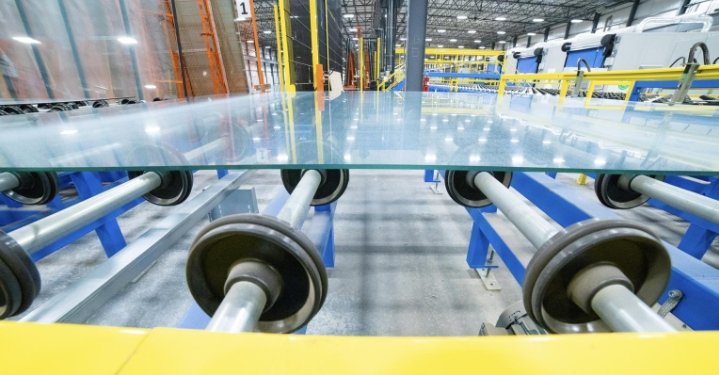
Glass is one of the oldest manufacturing industries in human history. Today it remains indispensable to modern life, serving sectors such as construction, automobiles, consumer electronics, pharmaceuticals, renewable energy, and packaging. As demand grows for higher quality products, lower energy consumption, and sustainable production, India’s glass industry has an opportunity to embrace Industry 4.0 technologies. Among the most transformative of these is the digital twin.
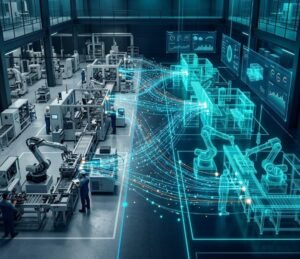
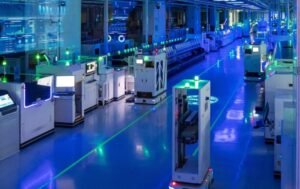
A digital twin is a virtual representation of a physical asset, process, or factory that receives continuous data from sensors installed throughout the production system. Unlike traditional monitoring systems that simply display operational data, a digital twin simulates how equipment and production lines behave in real time. This allows manufacturers to predict problems, optimize performance, and evaluate changes before implementing them on the factory floor.
Glass manufacturing is an energy intensive process. Raw materials such as silica sand, soda ash, and limestone are heated to temperatures exceeding 1,500 degrees Celsius before being formed into products. Furnaces operate continuously for years and consume enormous amounts of energy. Even minor improvements in furnace efficiency can translate into significant reductions in operating costs.
A digital twin enables manufacturers to monitor furnace temperatures, fuel consumption, airflow, material composition, and production rates simultaneously. Artificial intelligence can analyze this information and recommend adjustments that maximize energy efficiency while maintaining product quality. The result is lower fuel consumption, reduced emissions, and higher profitability.
Quality control is another area where digital twins provide substantial benefits. Small variations in temperature, cooling rates, or raw material quality can create defects such as bubbles, distortions, scratches, or internal stresses. These defects often become visible only after production has progressed.
By combining machine vision systems with digital twins, manufacturers can identify quality issues at their earliest stages. The virtual model continuously compares expected production conditions with actual performance, allowing corrective actions before defects spread throughout an entire production batch. This reduces waste while improving customer satisfaction.
Predictive maintenance represents another major advantage. Glass factories rely on expensive equipment including furnaces, conveyors, robotic handling systems, compressors, cooling systems, and cutting machines. Unexpected equipment failures can halt production for extended periods and generate substantial financial losses.
Sensors continuously monitor vibration, pressure, temperature, electrical consumption, and mechanical performance. The digital twin analyzes these signals to identify early signs of wear or failure. Maintenance teams receive advance warnings and can schedule repairs during planned shutdowns rather than responding to costly emergency breakdowns.
Production planning also improves significantly through digital twins. Manufacturers frequently produce multiple product types including architectural glass, automotive glass, bottles, containers, laboratory equipment, and specialty glass. Each product requires different process parameters.
Instead of experimenting directly on production lines, engineers can test new production schedules within the digital twin. Various combinations of materials, temperatures, production speeds, and equipment settings can be evaluated virtually before implementation. This reduces risk while accelerating innovation.
Supply chain management also benefits from Industry 4.0 integration. Digital twins can connect factory operations with suppliers, warehouses, distributors, and customers. If delays occur in raw material deliveries or customer demand changes unexpectedly, production schedules can automatically adjust to maintain efficiency.
Environmental sustainability has become increasingly important for the glass industry. Governments, investors, and customers expect manufacturers to reduce emissions and improve resource efficiency. Digital twins help achieve these goals by monitoring energy consumption, emissions, water usage, and recycling performance throughout production.
Glass is highly recyclable, making it an important component of the circular economy. Digital twins can optimize the use of recycled glass, known as cullet, by determining the ideal proportions required to maintain product quality while reducing energy consumption. Since recycled glass melts at lower temperatures than raw materials, increased cullet usage contributes directly to lower carbon emissions.
Worker safety also improves through digital monitoring. Glass factories involve extremely high temperatures, heavy machinery, molten materials, and automated equipment. Digital twins can identify unsafe operating conditions before accidents occur. Integrated sensors can detect abnormal temperatures, gas leaks, equipment malfunctions, or hazardous movements, allowing immediate corrective action.
India’s growing construction sector, expanding automotive industry, renewable energy investments, and pharmaceutical manufacturing create increasing demand for advanced glass products. Smart factories equipped with digital twins will be better positioned to serve these industries while competing effectively in international markets.
The adoption of digital twins does not require factories to replace existing equipment overnight. Many manufacturers can begin with pilot projects on individual furnaces or production lines before gradually expanding digital capabilities across the entire plant. This phased approach reduces investment risk while allowing employees to develop new digital skills.
Industry 4.0 is transforming manufacturing worldwide, and the glass industry offers an ideal opportunity for India to demonstrate technological leadership. By combining advanced sensors, artificial intelligence, cloud computing, and digital twin technology, manufacturers can build smarter factories that are more productive, energy efficient, environmentally sustainable, and globally competitive. Such investments will strengthen one of humanity’s oldest industries while preparing it for the demands of the twenty first century.