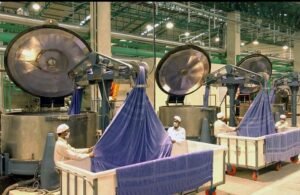
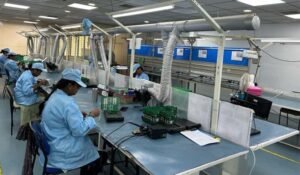
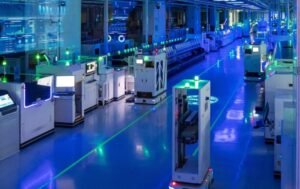
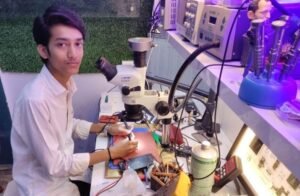
Every manufacturing sector produces waste. Steel plants generate slag, thermal plants produce fly ash, food industries generate organic residues, textile factories produce fabric scraps, chemical plants create by-products, and electronics manufacturers discard components during production. Much of this material is treated as waste despite retaining significant industrial value. India should establish a Smart Industrial Waste Exchange that converts industrial waste into tradable raw materials through a digital marketplace.
Most industries currently manage waste independently. Companies either dispose of materials, sell them through informal channels or store them for long periods. At the same time, nearby manufacturers often import similar raw materials because they have no visibility into available industrial by-products. A national digital exchange would connect these two sides of the market.
Every participating factory would digitally register its waste streams using standardized categories. Information would include material composition, quantity, purity, moisture content, availability, location and quality certification. Buyers could search the platform according to technical specifications instead of relying on informal brokers.
Artificial intelligence would continuously analyse material flows across industries. The system could automatically identify opportunities where waste from one sector becomes a production input for another. Steel slag could support cement manufacturing, plastic offcuts could feed recycling facilities, agricultural residues could become bioenergy feedstock, and waste heat could supply neighbouring industries.
Each industrial waste stream should receive a digital material passport containing laboratory test results, environmental compliance records and transportation requirements. Standardized documentation would improve buyer confidence while supporting regulatory oversight.
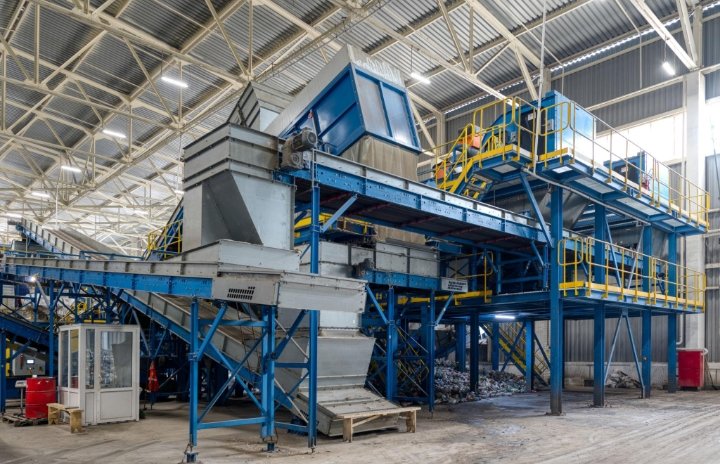
Industrial clusters should include dedicated Material Recovery Centres where waste is sorted, cleaned, processed and certified before entering the marketplace. These centres would improve quality consistency while enabling higher-value reuse rather than low-value disposal.
Government procurement policies could encourage products manufactured using certified recycled industrial materials where technical standards are satisfied. Such demand would stimulate investment in recycling technologies and material recovery businesses.
Research institutions should develop new industrial applications for underutilized waste streams. Many by-products currently have limited commercial use simply because suitable processing technologies have not yet been developed. Collaborative research between universities and industry could unlock new manufacturing opportunities.
The exchange should integrate logistics providers capable of transporting industrial materials efficiently between suppliers and buyers. Optimized transport routes would reduce costs while improving the commercial viability of material reuse across regions.
Financial incentives could reward manufacturers that achieve high levels of industrial material recovery through the exchange. Instead of measuring only waste disposal, policy should recognize industries that successfully convert by-products into productive economic resources.
Environmental regulators would benefit from improved transparency. Digital tracking of industrial waste would simplify compliance monitoring while reducing illegal dumping and unreported disposal. Authorities would gain accurate information on material movement across industrial sectors.
Small and medium enterprises could develop specialized businesses focused on waste processing, material refinement, industrial recycling equipment and quality testing services. This would create new employment opportunities while strengthening local manufacturing ecosystems.
The exchange could eventually expand beyond solid materials to include surplus industrial water, excess steam, waste heat, compressed gases and unused manufacturing chemicals where safe and technically appropriate. Industrial symbiosis would allow neighbouring factories to share valuable resources that are currently discarded.
International buyers increasingly evaluate manufacturers based on resource efficiency and circular economy practices. A transparent digital waste exchange would strengthen India’s environmental credentials while supporting exports to markets with demanding sustainability requirements.
Industry 4.0 is not only about automation and artificial intelligence. It is also about using digital intelligence to eliminate inefficiencies throughout industrial systems. A Smart Industrial Waste Exchange would transform waste from an environmental burden into a productive economic asset, improving resource efficiency, reducing manufacturing costs and strengthening India’s position as a sustainable industrial economy.