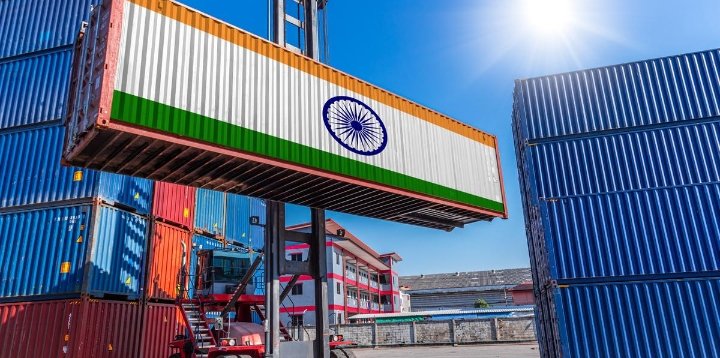
India stands at an important moment in its economic journey. Global trade patterns are changing rapidly as countries diversify supply chains, strengthen regional partnerships and seek reliable manufacturing destinations. In this evolving environment, Free Trade Agreements have become one of the most powerful tools for expanding exports, attracting investment and improving industrial competitiveness. If negotiated strategically and supported by strong domestic reforms, Free Trade Agreements can help India achieve its next export revolution.
A Free Trade Agreement is an arrangement between two or more countries that reduces or removes tariffs, simplifies trade procedures and improves market access for goods and services. Such agreements also encourage investment, technology transfer and cooperation across sectors including manufacturing, agriculture, digital trade and professional services. For export oriented economies, these agreements provide businesses with greater certainty and better access to international markets.
India has steadily expanded its network of trade agreements over the past several years. These partnerships reflect a broader recognition that international trade is becoming increasingly regional as well as global. Businesses now build production networks across multiple countries, making preferential market access an important competitive advantage.
The primary objective of future trade agreements should not simply be increasing trade volumes. Instead, India should use these agreements to strengthen domestic manufacturing, encourage technology intensive industries and create higher value exports. Trade policy should support long term industrial development while opening opportunities for Indian businesses in global markets.
Manufacturing remains central to this strategy. Global companies often establish factories in countries that enjoy favourable trade access to major markets. By expanding its network of well designed trade agreements, India can become an attractive destination for manufacturers seeking to serve international customers from a stable and rapidly growing economy.
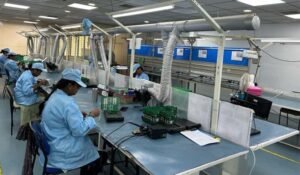
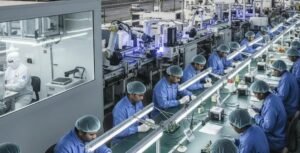
Electronics manufacturing represents one of the greatest opportunities. Demand for smartphones, consumer electronics, industrial equipment and digital technologies continues to rise worldwide. Trade agreements that improve market access encourage greater investment in Indian electronics production while supporting exports to high growth markets.
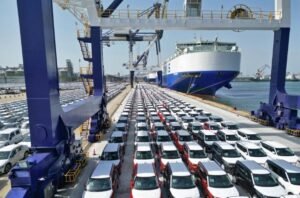
The automobile industry can also benefit significantly. Indian manufacturers already produce vehicles and automotive components for international markets. Reduced tariffs and harmonised technical standards improve competitiveness while expanding opportunities for exports of electric vehicles, batteries and advanced automotive technologies.
The pharmaceutical sector remains another major strength. Indian medicines are recognised globally for their quality and affordability. Trade agreements that streamline regulatory cooperation and improve market access can strengthen exports while supporting healthcare systems in partner countries.
Agriculture should also become an important component of future trade negotiations. India is one of the world’s largest producers of rice, spices, tea, coffee, fruits, vegetables and processed foods. Improved market access combined with stronger quality standards and cold chain infrastructure can increase agricultural exports while improving rural incomes.
Services exports deserve equal attention. India has become a global leader in information technology, consulting, engineering, financial services and business process management. Modern trade agreements increasingly include provisions covering digital commerce, professional mobility and cross border services, creating new opportunities for Indian companies.
Small and medium enterprises should benefit directly from expanded trade partnerships. Many MSMEs produce high quality engineering products, textiles, handicrafts and specialised manufacturing components but face barriers when entering international markets. Simplified customs procedures, digital trade platforms and export promotion programmes can help smaller businesses participate more actively in global commerce.
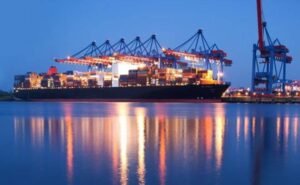
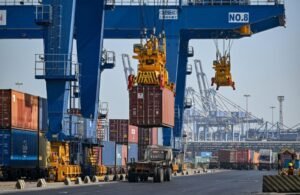
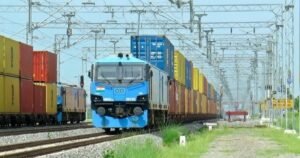
Infrastructure development should accompany trade liberalisation. Efficient ports, dedicated freight corridors, logistics parks and digital customs systems reduce export costs while improving delivery times. Better infrastructure allows Indian businesses to take full advantage of new market access opportunities created through trade agreements.
Trade competitiveness also depends on quality. International customers expect products that consistently meet technical standards and environmental requirements. Manufacturers should continue investing in advanced production technologies, testing laboratories and quality certification systems to strengthen India’s reputation as a reliable supplier.
Artificial intelligence and digital technologies are transforming global trade. AI powered demand forecasting, intelligent logistics systems and automated customs processes improve efficiency across international supply chains. Indian exporters should adopt these technologies to remain competitive in increasingly digital global markets.
Trade agreements can also encourage foreign direct investment. Companies often invest in countries that provide stable policy environments and access to multiple export markets. Such investments create employment, strengthen industrial capabilities and promote technology transfer across the economy.
However, trade agreements should always protect India’s long term economic interests. Sensitive sectors may require gradual liberalisation to allow domestic industries sufficient time to become internationally competitive. Balanced negotiations ensure that trade partnerships support sustainable industrial development rather than creating excessive dependence on imports.
Research institutions and industry associations should contribute actively to trade policy development. Their expertise helps identify sectors with strong export potential while ensuring that negotiations reflect the practical needs of businesses operating in global markets.
Economic diplomacy will become increasingly important. Indian embassies, trade missions and export promotion agencies should continue helping businesses identify opportunities, understand foreign regulations and establish commercial partnerships. Effective diplomacy strengthens the economic benefits of trade agreements.
Workforce development also supports export growth. Engineers, logistics specialists, quality professionals, international marketing experts and trade lawyers all contribute to successful export industries. Education and skill development should therefore align with the changing demands of global commerce.
Sustainability is becoming an important factor in international trade. Many markets now encourage environmentally responsible production through procurement policies and consumer preferences. Indian manufacturers adopting green manufacturing practices will gain additional advantages as sustainability becomes a greater priority worldwide.
India’s long term goal should be to move steadily towards exporting more technology intensive and value added products rather than relying primarily on raw materials or low value manufacturing. Trade agreements should accelerate this transition by encouraging investment in advanced industries and innovation.
The next decade presents India with a rare opportunity to strengthen its position in the global economy. Strategic Free Trade Agreements, combined with strong manufacturing, efficient logistics, skilled talent and technological innovation, can drive a new era of export led growth. By approaching trade as part of a broader national development strategy, India can expand its global economic influence while creating employment, increasing industrial competitiveness and improving long term prosperity for its citizens.