India’s digital transformation has reshaped banking, education, healthcare, governance and commerce over the past decade. Millions of citizens now use digital payment platforms, access government services online and participate in an expanding digital economy. However, the benefits of this transformation remain unevenly distributed. While urban centres enjoy high speed internet and advanced digital services, many villages continue to face challenges related to broadband connectivity, network reliability and digital access. BharatNet 2.0 should become India’s next major national mission to ensure that every village becomes an active participant in the country’s digital future.
Digital connectivity has become as important as roads, electricity and clean water. It supports education, employment, healthcare, entrepreneurship and public administration. A village connected through reliable broadband gains access to opportunities that were once available only in large cities. High quality internet is no longer a luxury. It is an essential public infrastructure for economic development.
India has already made significant progress by extending optical fibre networks to thousands of gram panchayats. The next phase should focus on transforming this physical infrastructure into a vibrant digital ecosystem that delivers affordable, reliable and high speed internet directly to homes, schools, hospitals, farms and businesses.
The first objective of BharatNet 2.0 should be universal broadband coverage. Every village, regardless of geography, should have access to dependable internet services capable of supporting digital education, telemedicine, e commerce and government services. Remote regions, tribal areas and difficult terrain should receive equal priority to ensure that development reaches every part of the country.
Reliable connectivity can revolutionise rural education. Schools connected through high speed broadband gain access to digital classrooms, online laboratories, educational videos, language learning platforms and virtual interactions with teachers from across the country. Students in villages can access the same educational resources available to their urban counterparts, reducing disparities in learning opportunities.
Healthcare is another sector that stands to benefit immensely. Telemedicine allows patients in rural communities to consult specialists without travelling long distances. Digital health records, remote diagnostics and online health monitoring improve medical care while reducing pressure on urban hospitals. Broadband connectivity also supports rapid communication during public health emergencies.
Agriculture can become more productive through stronger digital infrastructure. Farmers equipped with reliable internet can access weather forecasts, market prices, crop advisory services, satellite imagery and government schemes through digital platforms. Artificial intelligence powered agricultural applications can provide personalised recommendations that improve productivity and reduce risks.
Rural entrepreneurship represents one of the greatest opportunities created by broadband expansion. Local businesses can sell products through digital marketplaces, access financial services, participate in online training and connect with customers across India and abroad. Young entrepreneurs no longer need to migrate to cities to build successful businesses if strong digital infrastructure exists within their communities.
Digital governance also becomes more effective. Citizens can access certificates, welfare programmes, land records, pension services and grievance redressal systems without travelling to district headquarters. Government departments can deliver services more efficiently while reducing paperwork and administrative delays.
Village level digital service centres should evolve into comprehensive community technology hubs. These centres can provide internet access, digital literacy programmes, online government services, banking support and skill development courses. They can also assist citizens who are unfamiliar with digital platforms, ensuring that connectivity translates into meaningful inclusion.
The expansion of broadband should also encourage local innovation. Rural schools, colleges and entrepreneurs can develop digital solutions tailored to regional needs in agriculture, healthcare, education and tourism. Strong connectivity creates an environment where innovation is no longer limited by geography.
Fifth generation mobile networks and future wireless technologies should complement optical fibre infrastructure. While fibre remains the backbone of broadband connectivity, wireless networks extend digital access to households, farms and remote settlements where fixed connections may not be practical.
Cybersecurity must remain a priority throughout the expansion process. As more rural citizens engage with digital banking, online commerce and government platforms, protecting personal information becomes increasingly important. Public awareness campaigns should teach safe digital practices alongside broadband deployment.
Digital literacy should accompany every infrastructure investment. Internet access alone does not guarantee meaningful participation in the digital economy. Citizens should receive training in online safety, digital payments, e commerce, electronic governance and responsible internet use. Schools, community centres and local governments can play an important role in expanding digital skills.
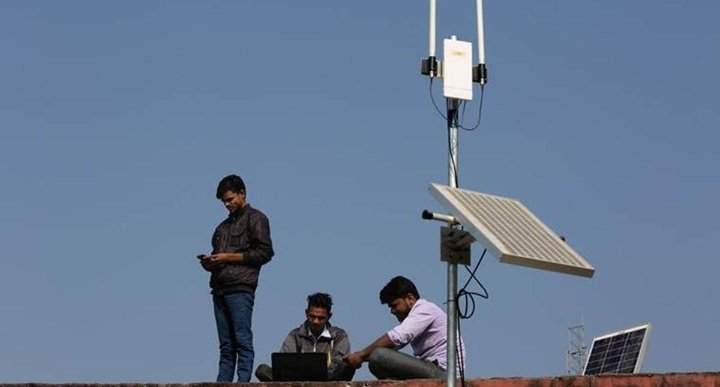
Reliable electricity is equally important. Broadband networks, communication towers and digital devices depend on stable power supplies. Renewable energy systems, battery storage and improved electricity distribution strengthen digital infrastructure while supporting environmental sustainability.
Private sector participation will accelerate the success of BharatNet 2.0. Telecommunications companies, internet service providers, equipment manufacturers and technology firms can work alongside government agencies to expand services, improve affordability and encourage innovation. Public private partnerships reduce costs while increasing the speed of implementation.
Local governments should actively participate in broadband planning. Panchayats understand community needs and can help identify priority locations for schools, health centres, public Wi Fi networks and digital service centres. Community involvement also encourages better maintenance and long term sustainability.
India’s growing artificial intelligence ecosystem will further increase the value of rural connectivity. AI powered educational tools, healthcare applications, agricultural advisory systems and language technologies depend on reliable internet access. BharatNet 2.0 will ensure that rural communities benefit from these innovations alongside urban populations.
Economic growth increasingly depends on digital participation. Every connected village becomes a potential centre for entrepreneurship, digital services, manufacturing support, tourism promotion and online education. Broadband infrastructure therefore contributes not only to social development but also to employment and regional economic growth.
India has already demonstrated global leadership in building digital public infrastructure. BharatNet 2.0 provides the opportunity to extend that leadership by ensuring that every village becomes an integral part of the national digital economy. By combining high speed broadband, digital literacy, cybersecurity, reliable power and local innovation, India can create a connected rural ecosystem that supports inclusive growth and strengthens the country’s long term competitiveness.
The next phase of India’s development will depend not only on smart cities but also on smart villages. Connecting every village through modern digital infrastructure will empower millions of citizens, reduce regional inequalities and create a stronger, more resilient and more inclusive digital nation.