India’s micro, small and medium enterprises form the backbone of the country’s industrial economy. They account for a significant share of manufacturing output, exports and employment, while supporting large industries through extensive supplier networks. Millions of entrepreneurs operate workshops, factories and service businesses across the country, producing everything from automotive components and textiles to engineering products and electronics. As global manufacturing rapidly enters the era of Industry 4.0, Indian MSMEs must evolve alongside it to remain competitive.
Industry 4.0 represents the integration of digital technologies into manufacturing. It combines artificial intelligence, robotics, cloud computing, industrial Internet of Things, machine learning, automation, advanced sensors and real time data analysis to create intelligent factories. These technologies enable manufacturers to improve quality, reduce costs, increase productivity and respond more quickly to changing customer demands.
Large multinational companies have already begun implementing these technologies. However, many Indian MSMEs continue to rely on conventional production methods because of financial constraints, limited technical expertise and uncertainty about the benefits of digital transformation. Bridging this gap should become a national priority.
The first step in creating a successful roadmap is recognising that Industry 4.0 is not only about purchasing expensive machines. It is about improving business processes through gradual digital adoption. Even small investments in digital tools can generate measurable improvements in productivity and operational efficiency.
Digital readiness should begin with basic business systems. MSMEs should adopt digital accounting, inventory management, customer relationship management and production planning software before moving toward more advanced technologies. These systems provide valuable operational data that can later support artificial intelligence and automation.
The second stage involves connecting machines and production equipment through sensors and industrial networks. Modern sensors can monitor machine performance, energy consumption, production quality and maintenance requirements in real time. This information allows managers to make better decisions while reducing downtime and waste.
Cloud computing offers another major opportunity for MSMEs. Instead of investing heavily in expensive local servers and information technology infrastructure, businesses can access powerful computing resources through cloud platforms. This reduces capital expenditure while providing access to scalable digital services suitable for companies of every size.
Artificial intelligence should be introduced gradually. AI powered quality inspection systems can detect manufacturing defects with remarkable accuracy. Predictive maintenance systems analyse machine performance to identify potential failures before breakdowns occur. Production scheduling software can optimise manufacturing processes based on customer demand, inventory levels and machine availability.
Workforce development is equally important. Technology alone cannot transform manufacturing unless employees possess the necessary skills to use it effectively. Factory workers, supervisors and managers should receive continuous training in digital technologies, automation systems, cybersecurity and data analysis. Technical institutes and industry associations should collaborate to deliver practical training programmes suited to MSMEs.
Government support will play a crucial role in accelerating digital transformation. Financial incentives, technology adoption grants, tax benefits and affordable credit can encourage small businesses to modernise their operations. Public private partnerships can establish demonstration centres where entrepreneurs experience Industry 4.0 technologies before making investment decisions.
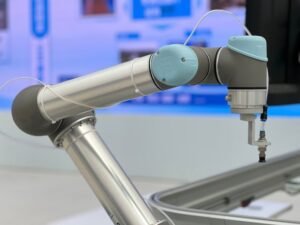
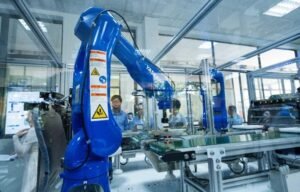
Common technology centres can also reduce costs. Many MSMEs cannot individually afford advanced testing equipment, industrial robots or sophisticated research facilities. Shared manufacturing laboratories equipped with modern technologies allow multiple companies to access expensive resources without bearing the full investment cost.
Cybersecurity should become an integral part of every digital transformation initiative. As factories become increasingly connected through digital networks, they also become more vulnerable to cyber threats. Secure networks, regular software updates, employee awareness programmes and backup systems protect businesses from costly disruptions.
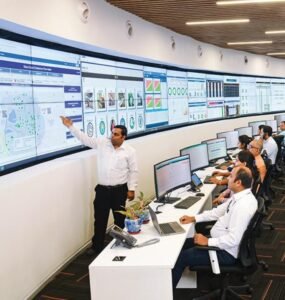
Data has become one of the most valuable assets in modern manufacturing. Production information, customer preferences, machine performance and supply chain data all contribute to better business decisions. MSMEs should develop systems that collect, organise and analyse operational data while maintaining strong data security standards.
Supply chain integration represents another important opportunity. Digital platforms allow suppliers, manufacturers, logistics providers and customers to share information more efficiently. Better visibility across supply chains improves inventory management, reduces delays and strengthens customer satisfaction.
Sustainability should also be integrated into Industry 4.0 strategies. Smart energy management systems reduce electricity consumption. Digital monitoring helps minimise raw material waste. Automated production processes improve resource efficiency while lowering environmental impact. These improvements not only reduce operating costs but also strengthen competitiveness in export markets where environmental standards continue to rise.
India’s growing startup ecosystem can become an important partner for MSMEs. Technology startups are developing affordable software solutions, industrial automation products, artificial intelligence platforms and cloud services specifically designed for smaller manufacturers. Encouraging collaboration between startups and MSMEs accelerates innovation while supporting domestic technology development.
Regional manufacturing clusters should become centres of digital excellence. Industries concentrated within automotive, textile, pharmaceutical, engineering or electronics clusters can share best practices, technical expertise and training facilities. Cluster based transformation programmes allow businesses to learn from each other’s experiences while reducing implementation costs.
Financial institutions should also adapt to support digital manufacturing investments. Banks and development finance institutions can create specialised financing products for automation, robotics, artificial intelligence and industrial software. Flexible financing encourages businesses to modernise without placing excessive pressure on cash flow.
Export competitiveness increasingly depends on technological capability rather than labour costs alone. International customers demand consistent quality, shorter delivery times, product traceability and compliance with global standards. Industry 4.0 technologies help MSMEs meet these expectations while opening opportunities in high value international markets.
Universities and engineering institutions should strengthen collaboration with local industries. Student projects, applied research and technology consulting programmes can help MSMEs solve practical manufacturing challenges while giving students valuable industrial experience. Such partnerships strengthen innovation ecosystems across the country.
India has the opportunity to build one of the world’s most competitive manufacturing sectors by empowering its MSMEs with digital technologies. The transition to Industry 4.0 will not happen overnight, but a structured roadmap supported by government, industry, academia and financial institutions can accelerate progress.
The future of Indian manufacturing will depend not only on the success of large corporations but also on the ability of millions of MSMEs to innovate, modernise and compete globally. By embracing Industry 4.0 in a phased and practical manner, these enterprises can become powerful drivers of economic growth, exports, employment and technological leadership for decades to come.