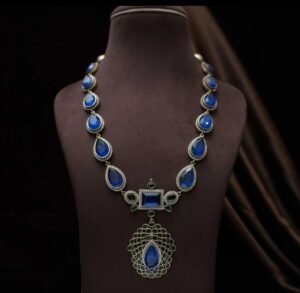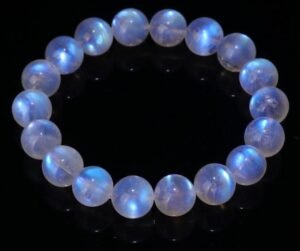
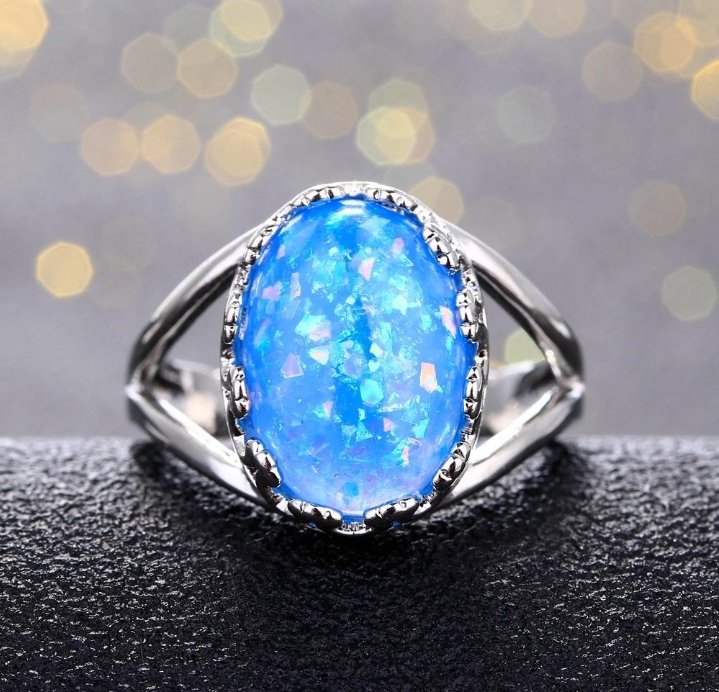
Opal is one of the most fascinating gemstones used in jewellery because of its ability to display changing colours when viewed from different angles. Blue fire opals are particularly valued for their striking appearance and are increasingly used in premium rings for international fashion and luxury markets. India has established itself as a major centre for gemstone cutting, jewellery manufacturing, and exports. As global buyers demand greater precision, shorter production cycles, and customised designs, Industry 4.0 technologies offer new opportunities to modernise manufacturing. A Digital Twin Platform for opal rings can transform production by combining artificial intelligence, cloud computing, computer aided design, Internet of Things technology, and advanced manufacturing simulations.
A digital twin is a virtual representation of a physical product. Before an opal ring is manufactured, an exact digital version of the ring is created using three dimensional modelling software. This virtual model contains every measurement, gemstone specification, metal component, manufacturing instruction, and quality parameter. Engineers and jewellery designers can analyse the ring digitally before any physical material is used.
The manufacturing process begins with designing the ring using advanced computer aided design software. Designers choose the size, shape, gemstone placement, metal thickness, setting style, and decorative features. The digital twin immediately analyses whether the design can be manufactured efficiently while maintaining durability and aesthetic quality.
Artificial intelligence evaluates thousands of previous jewellery designs and manufacturing records. It recommends improvements in gemstone positioning, weight reduction, structural balance, metal usage, and production efficiency. Designers receive instant feedback, reducing costly design errors before production begins.
The digital twin also simulates how the blue opal will appear under different lighting conditions. Since opals display changing colours depending on viewing angle and illumination, the software predicts the gemstone’s visual performance in daylight, indoor lighting, jewellery stores, and photography studios. Manufacturers can optimise gemstone orientation to maximise its beauty.
Internet of Things sensors installed throughout the factory continuously transmit information from casting machines, polishing equipment, engraving stations, laser cutters, and gemstone setting workstations. The digital twin compares live production data with the original virtual design. If measurements begin to deviate from design specifications, production managers receive immediate alerts, allowing corrections before defects occur.
Computer vision systems inspect every manufacturing stage. High resolution cameras measure ring dimensions, gemstone alignment, polishing quality, metal surface finish, and setting accuracy. Artificial intelligence compares inspection results with the digital twin, ensuring the finished product matches the approved virtual model.
Cloud computing enables manufacturers, designers, exporters, and quality control teams to collaborate from different locations. Jewellery designers can update digital models while production engineers review manufacturing feasibility in real time. Export buyers may even approve customised ring designs digitally before manufacturing begins.
The platform also supports rapid customisation. Customers increasingly request personalised jewellery with specific gemstone sizes, engravings, ring dimensions, or unique settings. The digital twin automatically generates revised manufacturing instructions without requiring complete redesign of the production process. This allows manufacturers to produce customised opal rings efficiently while maintaining high quality standards.
Predictive maintenance is another important feature. Artificial intelligence analyses vibration, temperature, energy consumption, and machine performance using Internet of Things sensors. The system predicts equipment failures before they occur, reducing production interruptions and maintenance costs.
Blockchain technology securely records design approvals, manufacturing history, quality inspections, gemstone certification, and export documentation. Every finished opal ring receives a permanent digital identity that supports authenticity verification throughout the supply chain.
Manufacturers benefit through reduced material waste, fewer design revisions, shorter production cycles, and improved consistency. Expensive gemstones such as blue fire opals are handled more efficiently because production problems are identified digitally before physical manufacturing begins.
Retailers gain access to realistic digital models that can be shown to customers before production. Buyers can visualise customised rings from multiple viewing angles, increasing confidence before placing orders. This also reduces product returns caused by differences between customer expectations and the finished jewellery.
Banks and insurance providers benefit from accurate digital documentation of production assets and finished inventory. Verified manufacturing records improve financing decisions while supporting more accurate insurance assessments.
Government agencies responsible for manufacturing, exports, and digital transformation can encourage adoption of digital twin technologies across India’s jewellery clusters. Increased productivity, higher export quality, and stronger technological capabilities contribute to long term industrial growth.
Technology companies have opportunities to develop specialised jewellery simulation software, artificial intelligence optimisation tools, industrial Internet of Things platforms, cloud collaboration systems, and advanced three dimensional modelling solutions tailored for gemstone manufacturing. Universities can contribute research into simulation algorithms, intelligent manufacturing, digital materials engineering, and human computer interaction for jewellery design.
Traditional craftsmanship remains the foundation of opal ring manufacturing. Skilled artisans continue shaping, polishing, engraving, and finishing every ring with precision and artistic judgement. Industry 4.0 technologies complement this expertise by providing accurate digital planning, real time monitoring, and intelligent manufacturing support.
A Digital Twin Platform for blue opal rings represents an important Industry 4.0 opportunity for India’s semi precious jewellery industry. By integrating artificial intelligence, cloud computing, computer vision, blockchain, Internet of Things technology, and advanced digital simulation, India can improve manufacturing efficiency, reduce production costs, enhance product quality, strengthen export competitiveness, and position itself as a global leader in digitally enabled gemstone jewellery manufacturing.