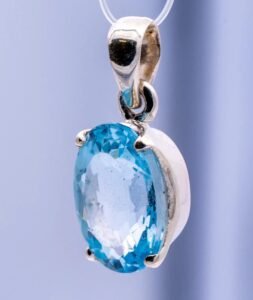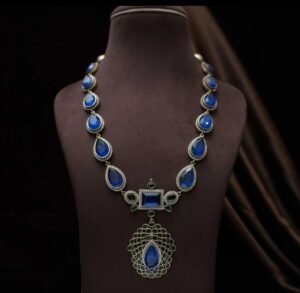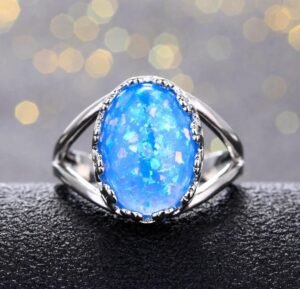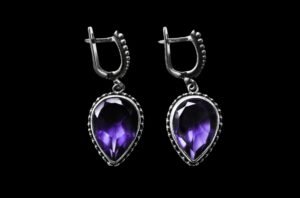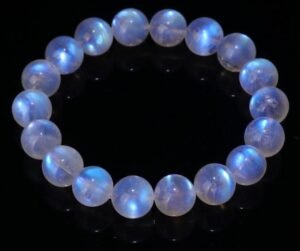
Labradorite has become one of the most sought after semi precious gemstones in the global jewellery market because of its remarkable optical effect known as labradorescence. Depending on the angle of light, the gemstone displays striking shades of blue, green, gold, and silver that appear to move across its surface. Among these colours, the vivid blue flash is considered one of the most valuable characteristics, making blue labradorite pendants highly desirable in international fashion jewellery markets. India has developed a strong reputation for gemstone cutting, jewellery manufacturing, and exports, creating an opportunity to combine traditional craftsmanship with Industry 4.0 technologies through an AI powered quality inspection platform.
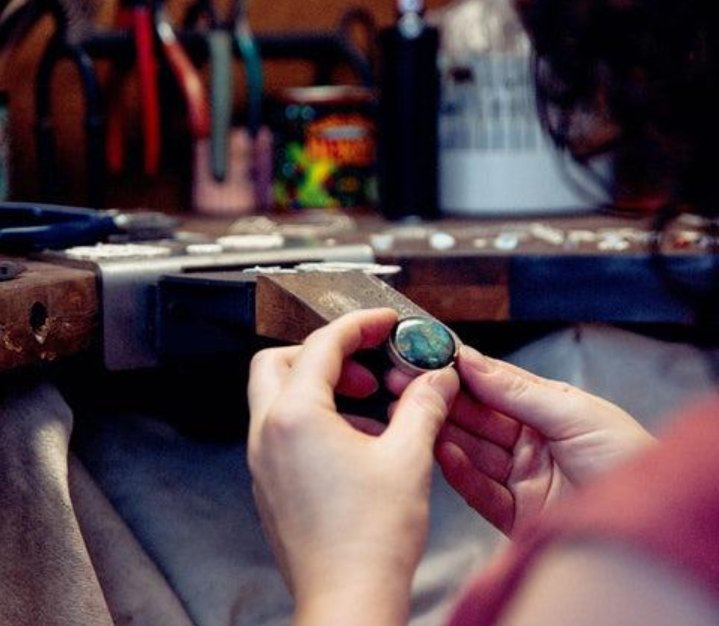
The production of a labradorite pendant involves several stages including gemstone selection, cutting, polishing, grading, metal setting, finishing, quality inspection, packaging, and export. Each stage influences the final appearance and value of the jewellery. Even a minor crack, polishing defect, incorrect gemstone orientation, or poorly aligned setting can reduce customer satisfaction and increase product returns. Traditional quality inspection relies heavily on experienced craftsmen who manually examine every pendant using magnifying lenses and specialised lighting. While this approach has served the industry for decades, growing production volumes and international quality standards require faster and more consistent inspection methods.
An AI powered quality inspection platform introduces computer vision and machine learning into the manufacturing process. High resolution industrial cameras capture multiple images of every labradorite pendant from different angles under carefully controlled lighting conditions. Artificial intelligence analyses each image within seconds, comparing it with thousands of previously inspected pendants to identify quality variations that may be difficult for the human eye to detect consistently.
One of the most important features of the system is its ability to evaluate the famous blue flash of labradorite. Since the value of the gemstone often depends on the intensity and distribution of this optical effect, artificial intelligence measures colour consistency, brightness, surface reflection, and viewing angles. Pendants displaying strong blue labradorescence can be automatically classified into premium quality categories while stones with weaker optical performance can be directed toward different product segments.
The platform also examines physical defects. Computer vision identifies surface scratches, microscopic cracks, chipped edges, polishing marks, uneven gemstone thickness, damaged metal settings, loose prongs, and alignment errors. Instead of relying solely on visual judgement, manufacturers receive objective digital measurements that remain consistent throughout the production process.
Machine learning continuously improves inspection accuracy. Every completed inspection becomes part of the training database. As additional gemstone images are analysed, artificial intelligence becomes increasingly capable of distinguishing natural variations from manufacturing defects. The system adapts to different gemstone shapes, pendant designs, metal finishes, and cutting styles without requiring major modifications.
Internet of Things technology connects inspection equipment with production machinery across the factory. Inspection results are transmitted instantly to production managers, polishing stations, gemstone setters, and quality control teams. If repeated defects appear during manufacturing, supervisors receive immediate notifications, allowing corrective action before large quantities of jewellery are affected.
Cloud computing enables manufacturers operating across multiple production facilities to manage inspection activities from a central platform. Production managers can compare quality performance between factories, monitor rejection rates, analyse production trends, and identify opportunities for improving manufacturing efficiency. Historical inspection data supports long term planning while reducing unnecessary material waste.
Blockchain technology strengthens customer confidence by creating secure digital quality certificates. Every labradorite pendant receives a unique digital identity linked to gemstone origin, cutting information, inspection results, manufacturing date, quality grade, and export documentation. International buyers can verify authenticity by scanning a digital code attached to the jewellery, improving transparency throughout the supply chain.
Exporters gain a significant competitive advantage through digital certification. International retailers increasingly demand consistent quality documentation before placing large purchase orders. Automated inspection reports supported by artificial intelligence demonstrate that every pendant has undergone objective quality verification, strengthening India’s reputation in premium jewellery markets.
Retailers also benefit from the technology. Customers purchasing blue labradorite pendants can access digital records showing gemstone characteristics, inspection history, manufacturing location, and authenticity certification. This additional transparency increases buyer confidence while reducing concerns regarding counterfeit or poorly manufactured jewellery.
Financial institutions supporting jewellery manufacturers benefit from accurate digital inventory records. Banks financing gemstone inventories receive verified quality information that improves collateral assessment. Insurance companies also gain more reliable product information when underwriting inventory, warehouse, and export insurance policies.
Government agencies responsible for exports, handicrafts, and manufacturing can use anonymised production statistics to monitor industry performance. Information regarding quality improvements, export trends, manufacturing efficiency, and technology adoption supports evidence based industrial policy while encouraging greater investment in advanced manufacturing technologies.
Technology companies have significant opportunities within this ecosystem. Developers can create advanced computer vision software, artificial intelligence inspection algorithms, cloud based quality management platforms, industrial cameras, automated lighting systems, and digital certification tools specifically designed for India’s jewellery sector. These innovations may later be adapted for diamonds, coloured gemstones, pearls, and precious jewellery.
Research institutions and universities can contribute by developing improved optical imaging methods, hyperspectral analysis systems, gemstone recognition algorithms, and advanced machine learning models capable of analysing increasingly complex gemstone characteristics. Collaboration between researchers and manufacturers will accelerate innovation while strengthening India’s position in gemstone technology.
The combination of traditional craftsmanship and digital intelligence represents the future of jewellery manufacturing. Skilled artisans will continue to shape, polish, and design unique pieces, while artificial intelligence provides faster inspection, objective quality measurement, and comprehensive production analytics. Rather than replacing craftsmen, Industry 4.0 technologies enhance their capabilities by reducing repetitive inspection tasks and allowing greater focus on creativity and craftsmanship.
As international demand for premium semi precious jewellery continues to grow, manufacturers capable of delivering consistently high quality products supported by digital verification will enjoy stronger competitiveness. Buyers increasingly expect transparency, traceability, and measurable quality assurance alongside beautiful design.
An AI powered quality inspection platform for blue labradorite pendants represents an important Industry 4.0 opportunity for India’s semi precious jewellery industry. By integrating artificial intelligence, computer vision, Internet of Things technology, cloud computing, and blockchain into a unified manufacturing ecosystem, India can improve product quality, reduce production losses, strengthen export competitiveness, and establish itself as a global leader in technologically advanced gemstone jewellery manufacturing.