The aluminium industry serves dozens of sectors, including construction, automobiles, railways, aerospace, defence, renewable energy, consumer electronics, packaging, electrical transmission, and infrastructure. Demand from these industries changes constantly due to economic conditions, government policies, technological developments, and international trade. For aluminium producers, accurately predicting future demand has become increasingly important. An AI Powered Aluminium Demand Forecasting Platform can provide Indian manufacturers with the intelligence needed to optimize production, reduce costs, and strengthen global competitiveness.
The platform would collect information from multiple sources, including manufacturing output, infrastructure projects, automobile production, electric vehicle sales, housing construction, renewable energy installations, export orders, commodity exchanges, shipping data, and international trade statistics. Instead of analyzing each source separately, artificial intelligence integrates millions of data points into a unified forecasting system.
Machine learning models continuously identify relationships between economic indicators and aluminium consumption. For example, an increase in solar power installations directly increases demand for aluminium frames and mounting systems. Expansion in electric vehicle manufacturing raises demand for lightweight aluminium components and battery enclosures. Growth in railway infrastructure increases consumption of aluminium coaches, electrical systems, and structural materials.
Construction activity is another major indicator. AI evaluates government infrastructure spending, commercial building approvals, residential housing projects, and urban development plans to estimate future aluminium requirements. Manufacturers receive forecasts months before actual demand materializes, allowing them to adjust production schedules.
International markets also influence Indian aluminium demand. Artificial intelligence monitors industrial production in major importing countries, global economic growth, shipping activity, exchange rates, trade agreements, and commodity prices. Export-oriented manufacturers receive early warnings regarding changing market conditions and emerging business opportunities.
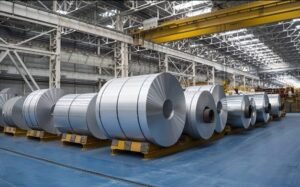
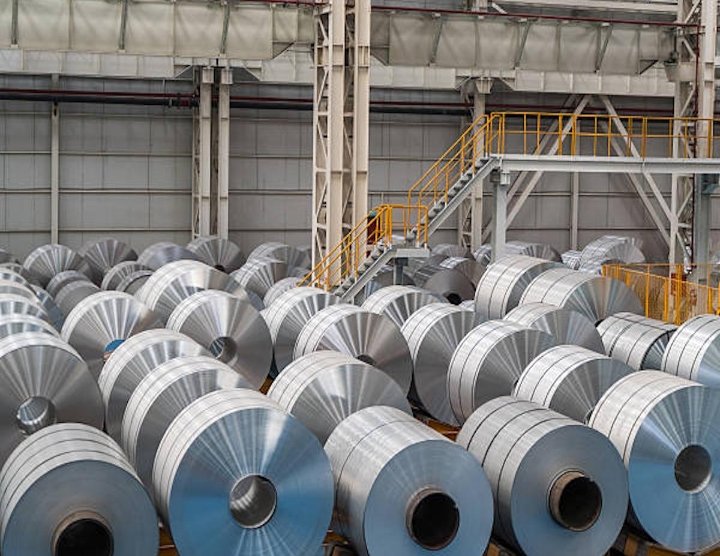
Inventory planning becomes more efficient through predictive analytics. Aluminium plants often maintain significant stocks of bauxite, alumina, primary metal, alloys, and finished products. AI recommends optimal inventory levels based on expected production requirements, reducing storage costs while minimizing supply shortages.
Energy planning is another important application. Aluminium production consumes substantial amounts of electricity. Accurate demand forecasting allows manufacturers to schedule energy purchases more effectively, improving cost management and reducing operational uncertainty.
Suppliers of raw materials also benefit from improved visibility. Mining companies, alumina refineries, transport providers, and logistics operators receive long-term forecasts that help them plan capacity expansions, workforce requirements, and equipment investments.
Banks and financial institutions can use AI forecasts to evaluate industrial lending proposals. Manufacturing expansion projects supported by reliable demand projections present lower financial risks, allowing lenders to make more informed investment decisions.
Government agencies responsible for industrial development gain valuable strategic insights. Aggregated forecasts reveal future demand across sectors such as transportation, renewable energy, defence, and construction. Policymakers can align industrial incentives, infrastructure investments, and export promotion initiatives with expected market growth.
Small and medium-sized manufacturers benefit as well. Many smaller aluminium fabricators lack dedicated market research capabilities. The forecasting platform provides accessible intelligence regarding future demand trends, helping them plan production and identify new business opportunities.
Artificial intelligence continuously improves forecasting accuracy by comparing predictions with actual market outcomes. Machine learning algorithms automatically adjust their models as new economic conditions emerge, making forecasts increasingly reliable over time.
Cloud computing enables nationwide deployment of the platform. Manufacturers, exporters, government agencies, logistics companies, and financial institutions access customized dashboards showing sector-wise demand forecasts, regional market trends, pricing expectations, and production recommendations.
Cybersecurity ensures that commercially sensitive production plans and market intelligence remain protected. Secure cloud infrastructure, encrypted communications, access controls, and continuous monitoring safeguard confidential industrial information.
Technology companies have opportunities to develop forecasting software, AI analytics platforms, cloud infrastructure, industrial dashboards, and decision support systems specifically designed for India’s aluminium industry.
Research institutions and universities can contribute by developing advanced forecasting algorithms, economic models, industrial data analytics, and machine learning techniques that improve prediction accuracy across multiple manufacturing sectors.
As India seeks to expand its manufacturing base and strengthen its position in global aluminium markets, data-driven planning will become increasingly important. Manufacturers that can anticipate market demand will operate more efficiently, reduce waste, and respond more quickly to changing customer requirements.
An AI Powered Aluminium Demand Forecasting Platform represents a significant Industry 4.0 innovation. By combining artificial intelligence, big data, cloud computing, predictive analytics, and economic intelligence, India can build a smarter aluminium industry that supports higher productivity, stronger exports, better investment decisions, and sustainable long-term industrial growth.