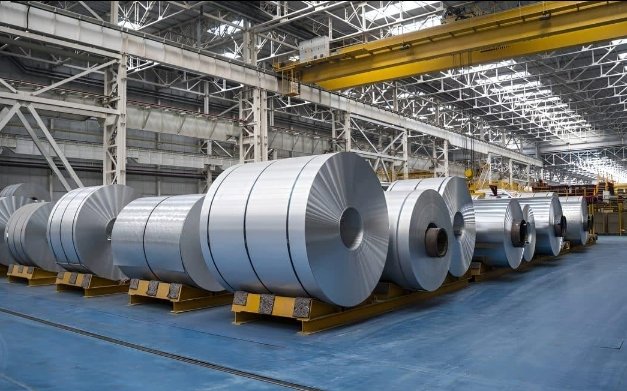
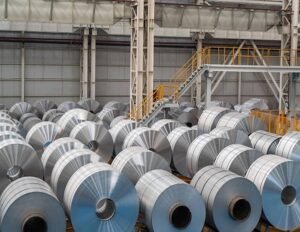
Aluminium has become one of the world’s most strategically important industrial metals. It is widely used in automobiles, aircraft, railways, construction, electrical transmission, renewable energy, consumer electronics, food packaging, and defence manufacturing. India is among the world’s leading producers of aluminium and exports a wide range of products including primary aluminium, billets, ingots, rolled products, extrusions, foils, and value added components. As global competition intensifies, Indian exporters need better market intelligence to identify opportunities, reduce commercial risks, and maximize export earnings. Industry 4.0 technologies offer a solution through an AI Powered Aluminium Export Intelligence Platform.
The platform would function as a digital trade infrastructure that continuously analyzes aluminium markets across the world. Instead of relying on periodic market reports or historical price data, artificial intelligence would monitor global trade in real time, providing exporters with actionable business intelligence.
The system would collect information from international commodity markets, customs databases, shipping companies, ports, manufacturing industries, trade agreements, energy prices, exchange rates, and industrial production statistics. Millions of data points would be processed every day using machine learning algorithms capable of identifying hidden patterns that influence aluminium demand.
For example, if electric vehicle production begins increasing rapidly in Southeast Asia, demand for aluminium body panels, battery casings, and structural components is likely to rise. If infrastructure investment accelerates in the Middle East, imports of aluminium extrusions and construction materials may increase. Artificial intelligence identifies these emerging opportunities before they become widely recognized, allowing Indian exporters to respond quickly.
The platform also predicts aluminium price movements. AI continuously evaluates global production levels, bauxite availability, electricity costs, recycling volumes, manufacturing activity, and geopolitical developments. Since electricity represents one of the largest production costs in aluminium manufacturing, changes in global energy markets can significantly influence international prices. Machine learning incorporates these variables into price forecasting models.
Shipping intelligence forms another major feature. Export profitability often depends on logistics costs. AI monitors vessel availability, container capacity, freight rates, weather conditions, port congestion, railway connectivity, and inland transportation networks. Exporters receive recommendations regarding the most economical shipping routes and delivery schedules.
Trade policy analysis is integrated into the platform as well. Artificial intelligence continuously monitors tariff changes, free trade agreements, anti dumping investigations, environmental regulations, and import restrictions across major aluminium consuming countries. Companies receive early warnings regarding policy changes that may affect export competitiveness.
Indian manufacturers producing specialized aluminium products also benefit from demand forecasting. Instead of focusing only on primary aluminium, AI identifies growing demand for high value products such as aerospace alloys, automotive components, solar panel frames, railway materials, battery enclosures, and precision extrusions. Manufacturers can diversify production toward higher margin export segments.
The platform supports small and medium sized exporters by identifying verified international buyers. Machine learning analyzes historical purchasing behavior, financial reliability, production capacity, and import patterns of overseas companies. Indian exporters receive prioritized lists of potential customers that match their product portfolio.
Banks and export financing institutions may integrate directly with the platform. AI generated market intelligence helps financial institutions assess export opportunities and commercial risks before approving working capital or trade finance. Better information supports faster financing decisions while reducing lending uncertainty.
Insurance companies also benefit from predictive analytics. Information regarding shipping routes, political developments, weather conditions, and market stability improves risk assessment for marine cargo insurance and export credit protection.
Government agencies responsible for export promotion gain access to aggregated market intelligence. Anonymous trade data reveals changing global demand, emerging export destinations, pricing trends, and sector specific opportunities. Policymakers can design targeted export promotion programs based on evidence rather than historical assumptions.
Artificial intelligence also helps improve inventory planning. Manufacturers receive forecasts regarding future market demand, enabling more efficient production scheduling and raw material procurement. This reduces inventory costs while improving responsiveness to international customers.
Cloud computing provides the technological foundation for the platform. Large volumes of global trade information are processed securely through scalable digital infrastructure. Exporters access customized dashboards showing market trends, pricing forecasts, logistics recommendations, buyer opportunities, and regulatory updates relevant to their products.
Cybersecurity remains essential because commercial intelligence has significant strategic value. Secure cloud architecture, encrypted communications, role based access controls, and continuous monitoring protect confidential business information while maintaining uninterrupted service.
Technology companies have opportunities to develop advanced analytics platforms, artificial intelligence models, logistics software, trade intelligence systems, and secure cloud infrastructure supporting India’s aluminium industry. These innovations strengthen both industrial competitiveness and the country’s growing digital economy.
As India continues expanding manufacturing under national industrial development initiatives, aluminium exports will become increasingly important. Demand from renewable energy, electric mobility, aerospace, construction, defence, and advanced manufacturing is expected to remain strong over the coming decades.
An AI Powered Aluminium Export Intelligence Platform demonstrates how Industry 4.0 technologies can modernize international trade. By combining artificial intelligence, big data, cloud computing, predictive analytics, and global market intelligence, India can strengthen the competitiveness of its aluminium exporters while improving decision making, expanding international market access, and increasing export earnings. Such digital infrastructure represents a strategic investment in the future of India’s industrial and export economy.